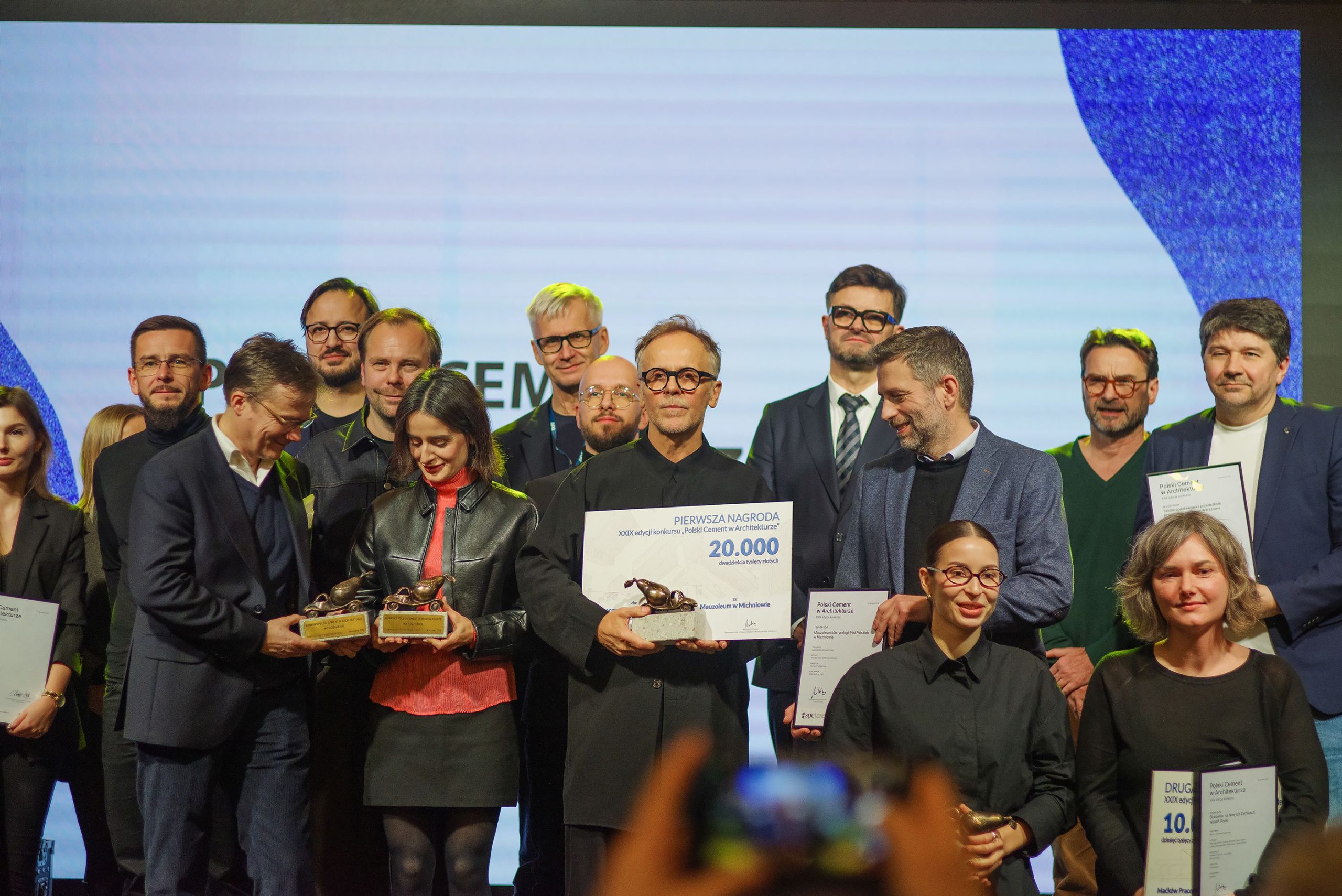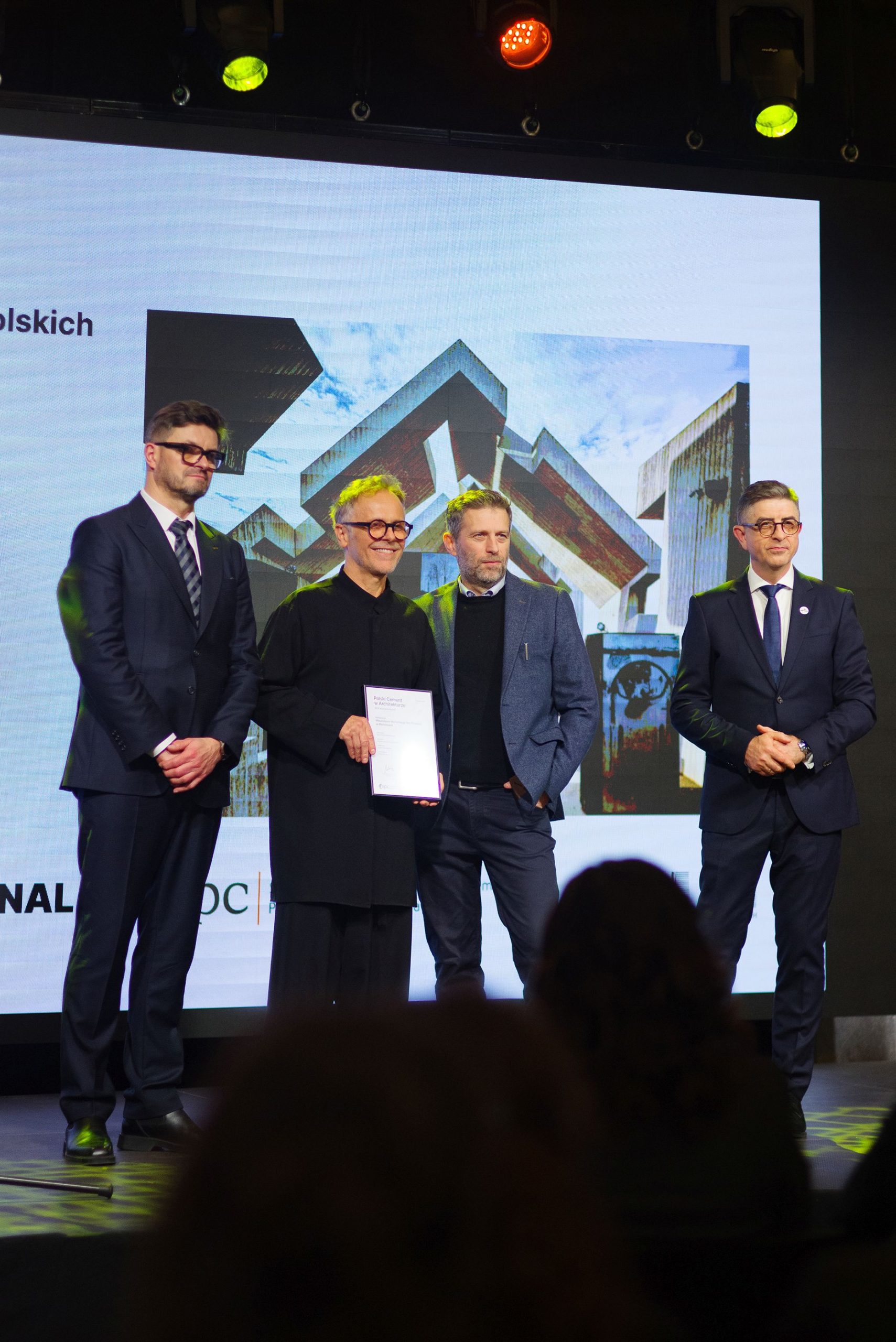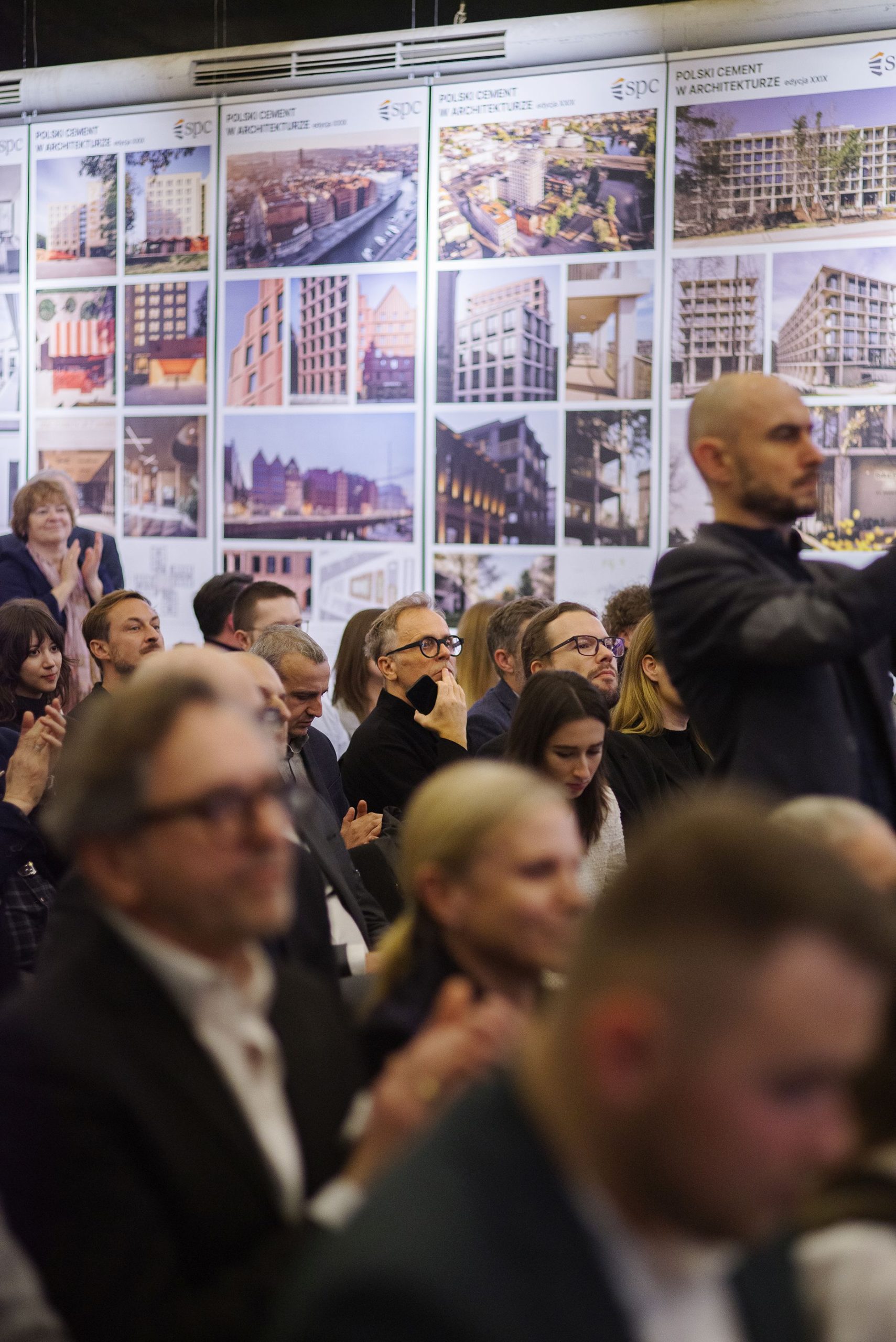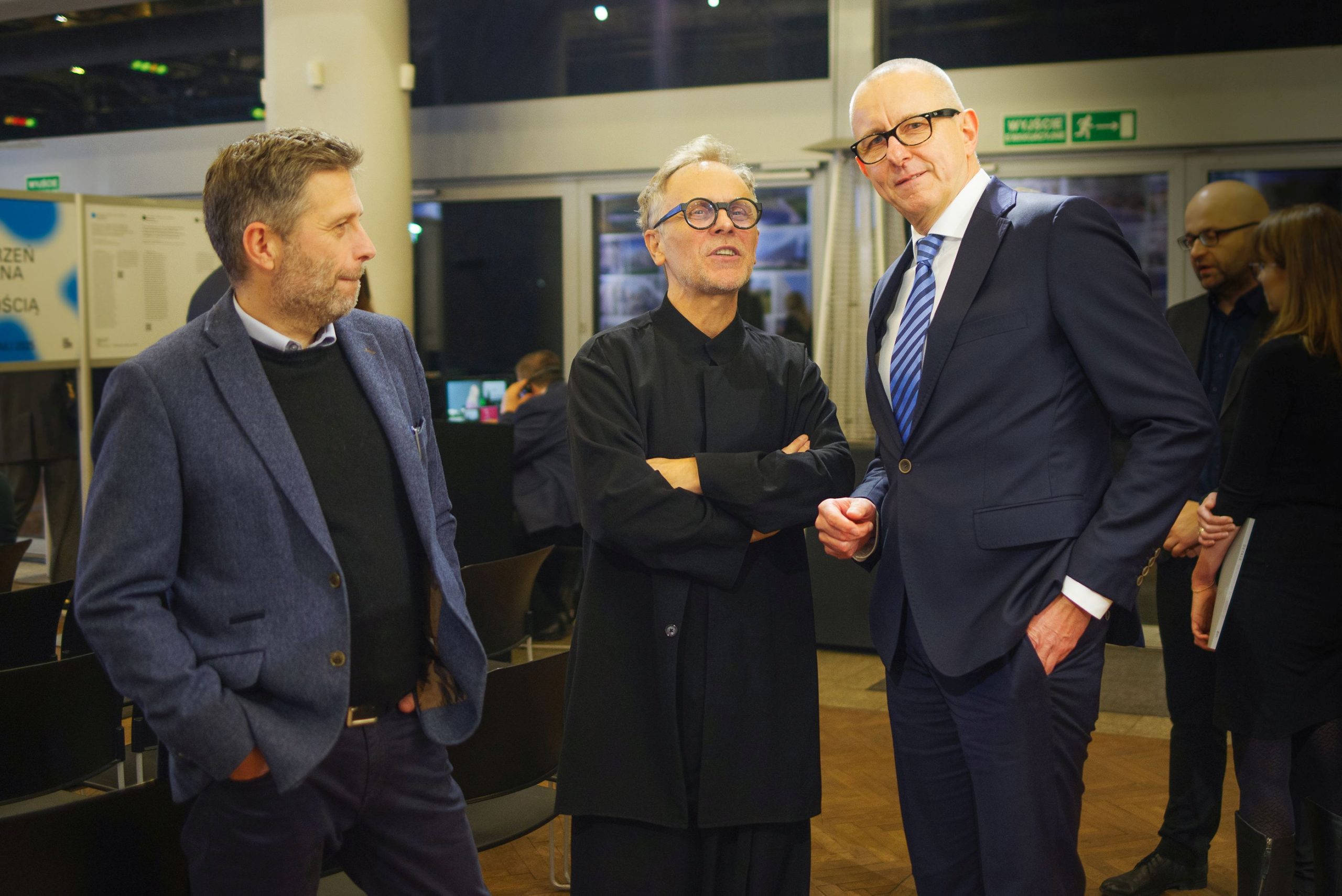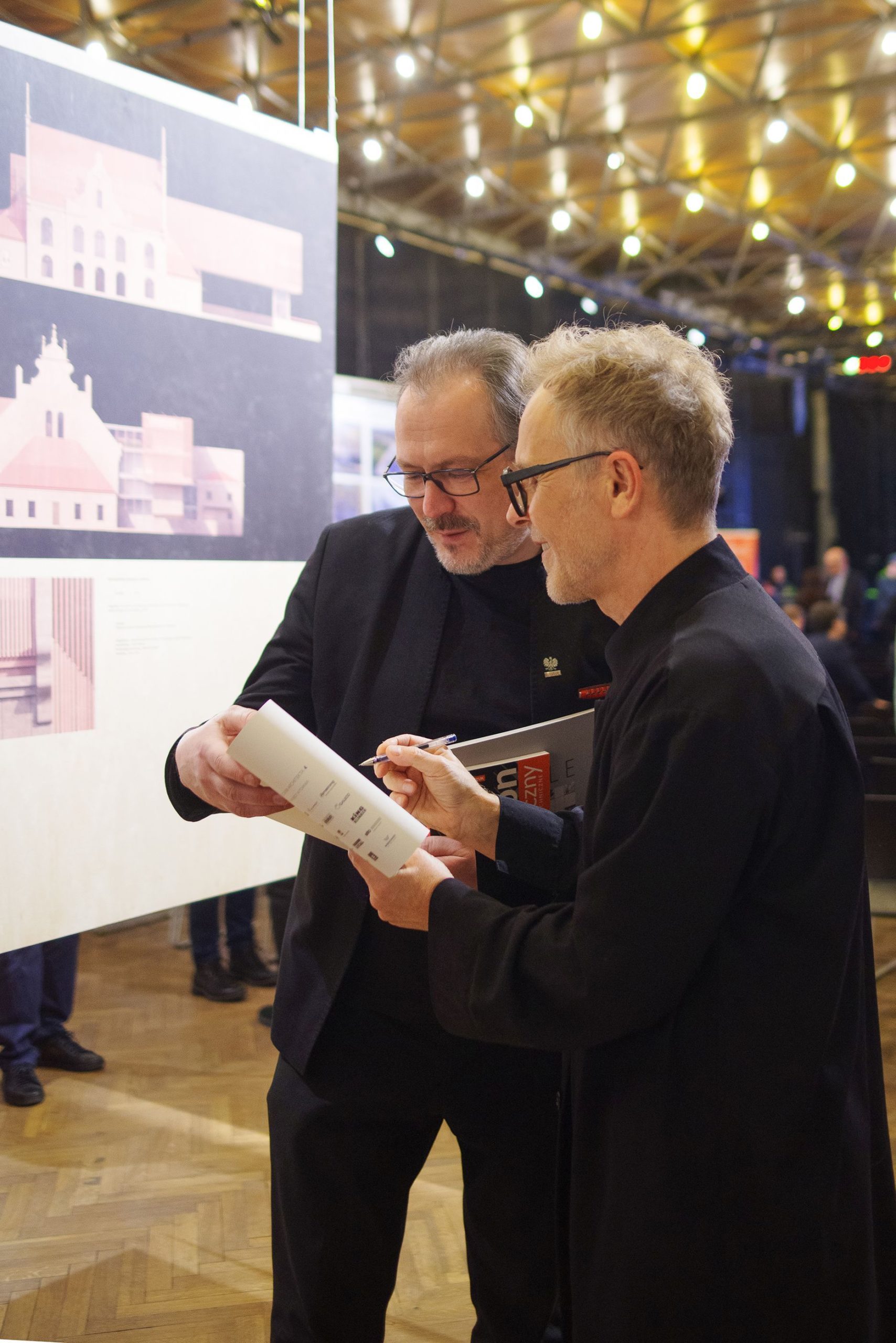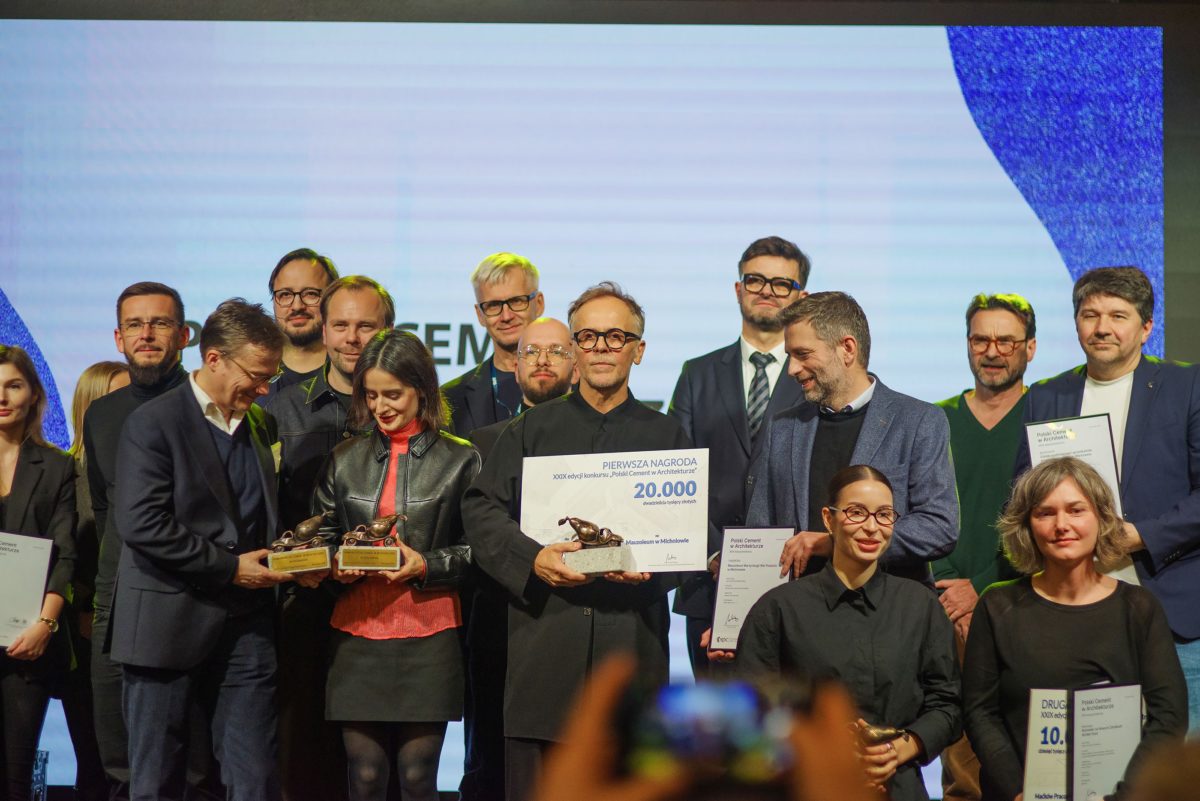
The Mauzoleum of the Martyrdom of Polish Villages in Michniów, designed by Nizio Design International, has been awarded the First Prize in the 29th edition of the “Polish Cement in Architecture” competition. The results were announced on 12 December 2025 during a ceremonial gala held at the headquarters of the SARP in Warsaw. This year’s edition of the competition evaluated fifty completed projects, from which nineteen finalists were selected. The jury recognized the Mauzoleum for its formal consistency and for its thoughtful use of concrete as a material of meaning, capable of fostering reflection on history, time, and memory.
From the outset, the Mauzoleum in Michniów was conceived as an architecture demanding a high level of intellectual responsibility. Each design decision was informed by the understanding that form, material, and scale would extend beyond purely aesthetic considerations, becoming a record of experiences embedded in the history of the site. The project was developed from the conviction that architecture of remembrance should employ a language rooted in materiality, avoiding literal representation and excessive narrative. In Michniów, concrete does not serve as a neutral medium. Its uniformity, weight, and durability allow it to function as a material charged with meaning, subject to natural processes of ageing and the passage of time. The monolithic form of the building, devoid of traditional divisions and hierarchies, was conceived as a cohesive whole, an architectural inscription of experiences in which life and death are not opposites, but inseparable elements of history.
The “Polish Cement in Architecture” competition, jointly organized since 1997 by the Polish Cement Association and the Association of Polish Architects, remains the most important national forum for the assessment of architectural projects employing concrete technology. The competition emphasizes the integration of structural and formal requirements with the cultural and social contexts in which the evaluated buildings are created.
Author: Mirosław Nizio
Lead Architect: Bartłomiej Terlikowski