Domki rekreacyjne w Wierzchowiskach

Holiday Cabin Complex in Wierzchowiska

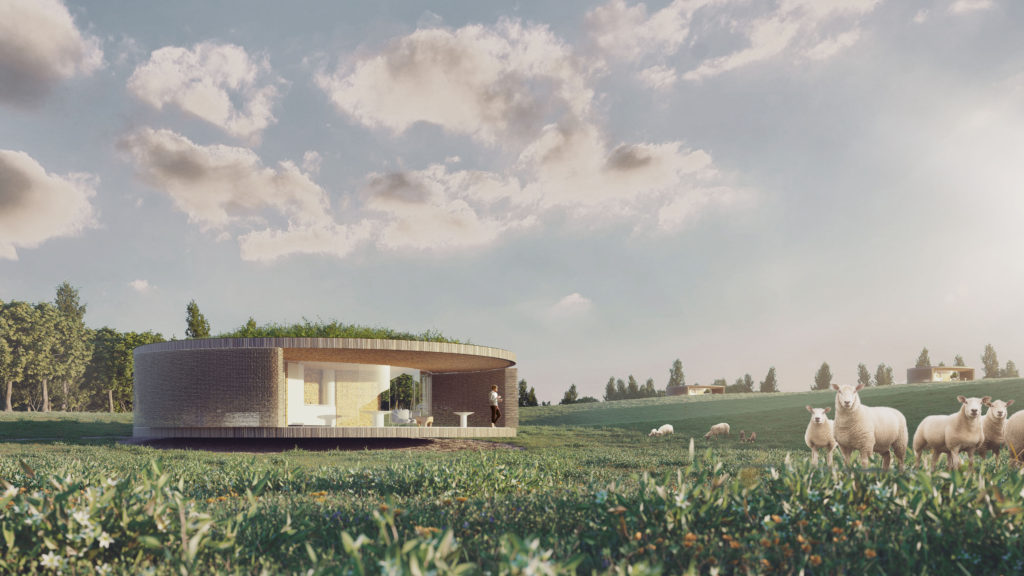
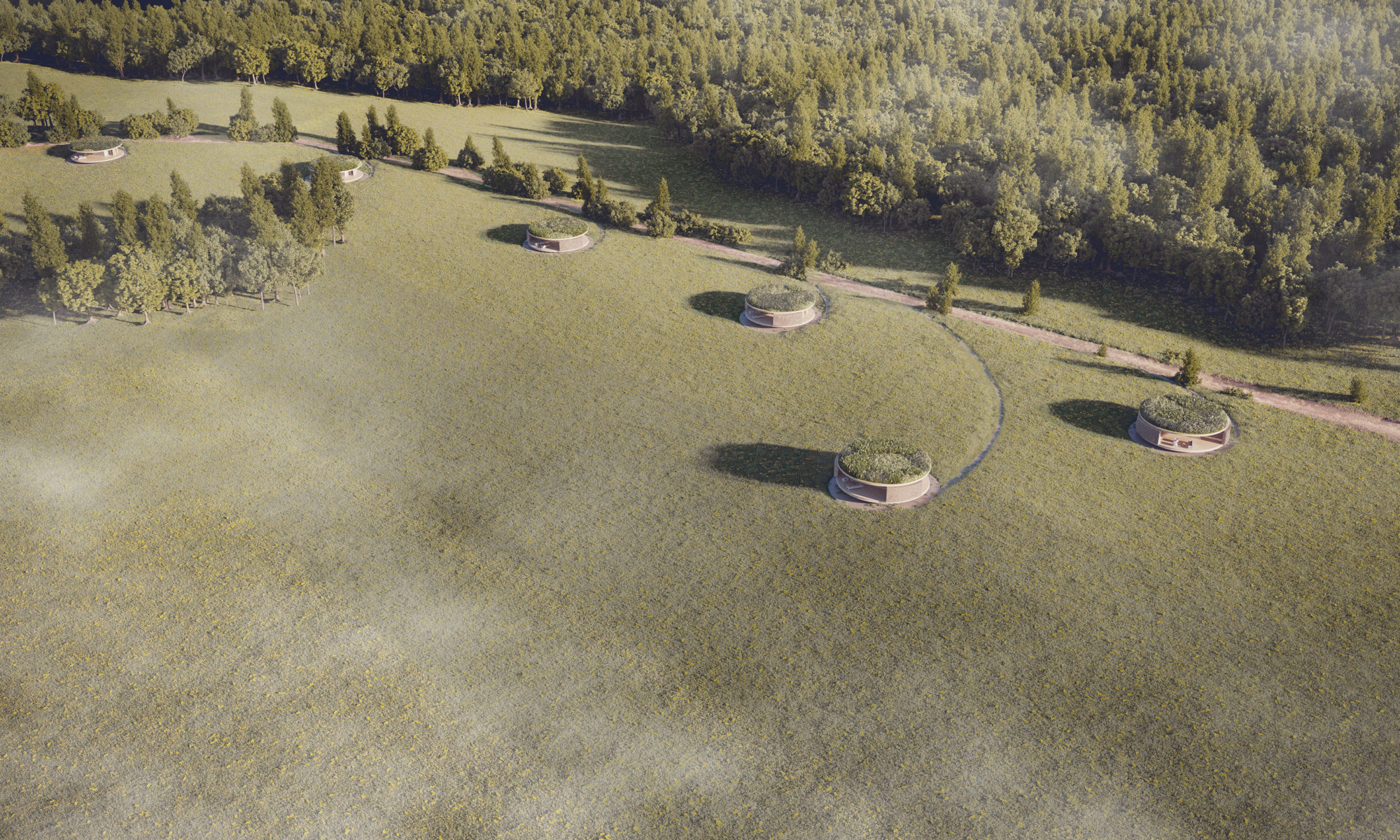
Set within the historic park of the picturesque Dwór Sanna estate, a complex of intimate holiday cabins by Nizio Design International is taking shape. The project follows the philosophy of the place, defined by its closeness to nature, respect for the environment and a conscious life lived in step with natural rhythms. The new buildings – eco-friendly recreational cabins in Wierzchowiska, each approximately 120 m² – will form a harmonious addition to the offer of the historic hotel, set within a 32-hectare park, alongside its adjoining vineyard, a restaurant serving biodynamic produce, and miles of walking trails, one of which leads to the source of the Sanna river.

The project’s guiding theme is the relationship between architecture and nature. The principal source of inspiration in the design process was the richness of organic forms and the landscape surrounding Dwór Sanna. The team of architects, led by Mirosław Nizio, developed a concept that not only respects its natural context but subtly resonates with it – through form, materials and the way it is set within the landscape. The architecture enters into a personal dialogue with its surroundings: complementing it, framing it, or merging with it, creating a place of contemplation and regeneration.

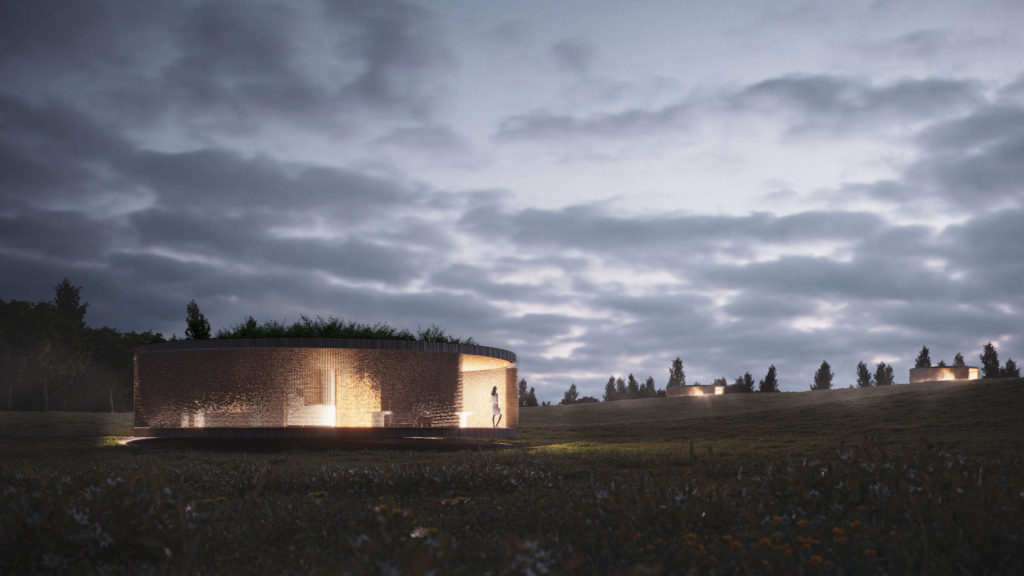
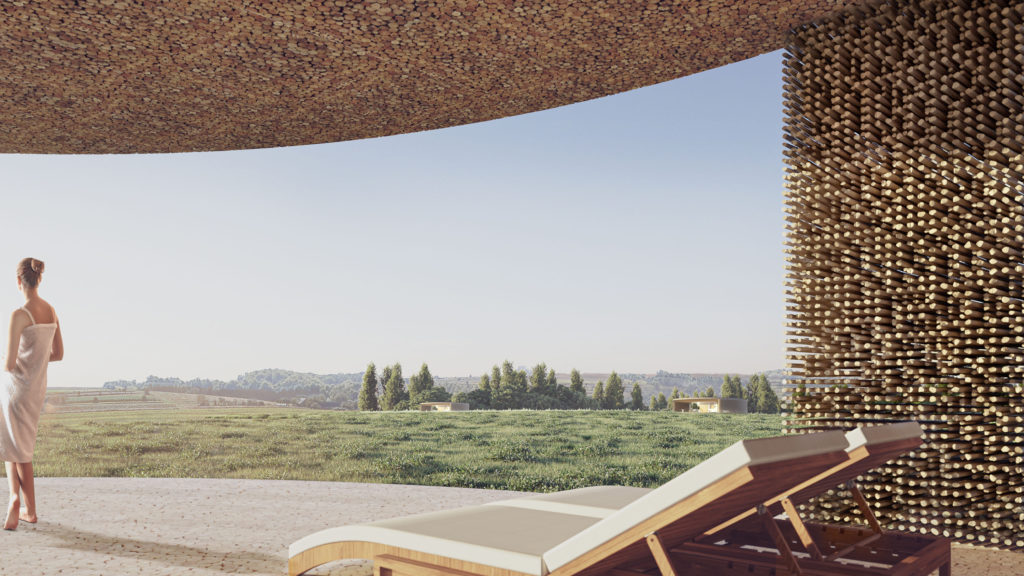
The circular form of the cabins heightens the sense of being immersed in nature, opening up to light and landscape and encouraging guests to observe the changing times of day and year, shifting weather, and the moods of light. The project is grounded in sensory experience – here, architecture takes on not only an aesthetic and functional dimension, but an emotional and sensory one as well. Natural, sustainable materials create a distinctive microclimate inside the buildings. The façades are made of regularly arranged willow withies, drawing on local tradition and craft while also serving practical functions: filtering light, supporting ventilation and regulating the indoor microclimate. The walls are built from rammed earth, a solution that helps maintain natural temperature and humidity, introduces a soft, organic texture, and strengthens the user’s physical connection to the material of the place.

The architecture blends discreetly into the landscape, not dominating it but enriching it. Rather than monumental gestures, the architects chose sustainable design aimed at regeneration, closeness and an authentic experience of space. “We were brought together by a shared desire to create unique experiences, as well as a wish to live in harmony with nature. Building on these shared values, we designed intimate holiday cabins that will allow guests to experience nature on many levels, with all their senses,” says Mirosław Nizio, author of the concept.

The eco-friendly holiday cabins form part of a broader vision for the revitalisation and development of Wierzchowiska, a place consistently pursuing the idea of ecotourism and a return to nature’s own rhythm of life. The spaces designed by Nizio Design International combine modernity with tradition, function with emotion, aesthetics with ethics. Here, architecture becomes a medium for telling a story about nature, conscious living and human harmony with the surrounding environment. The project stands out for its coherent vision and attention to every detail – from the spatial layout, through the shape and material of the façades, to the microclimate and sensory experience inside the buildings. As a result, the cabins will become not only a place to rest, but also an aesthetic and emotional experience, in keeping with the values of contemporary design rooted in sustainability.


The history of Dwór Sanna began in the early 19th century, when the building served as a noble manor house. Built in the 1830s, the manor underwent numerous transformations, surviving fires and changes of ownership. The earliest historical traces of the manor date back to the January Uprising of 1863, when insurgents hid in the surrounding forests. For many years the estate was privately owned by the Świda, Mazurkiewicz and Daltrozzo families, until the 1944 PKWN decree stripped the family of its property.

Shortly after the war, the manor was converted into a school – a few years later it also housed a teachers’ residence, a post office, a farmers’ club and a kindergarten. The communist era brought further transformation: the estate became a state farm (PGR), then a production cooperative, before being taken over by the Polish Scouting Association (ZHP) in the mid-1970s, when it served as a training and recreation centre.

The building’s revival came in 2006 with new owners, by which time the property was severely neglected and in need of comprehensive restoration. The conservation works preserved the shape of the original structure and its architectural detailing. A vineyard gradually took shape, while the historic farm buildings were restored and an organic farm was established.